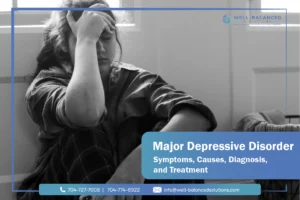
Feeling sad for weeks, with no clear reason, can feel confusing and heavy. Many people brush it off as stress or a rough patch. Yet this pattern often signals something deeper. Major Depressive Disorder is a real, treatable mood disorder, not a weakness.
It brings persistent sadness, low energy, and a loss of interest in daily activities. Clinical depression changes how you think, sleep, and function. Left unaddressed, these depressive episodes can grow harder to manage. The good news is that effective treatment exists, and support is closer than you think.
Symptoms of Major Depressive Disorder
Recognizing symptoms early can make a real difference in recovery. To be diagnosed, these symptoms must last at least two weeks and affect daily functioning. Persistent sadness and low mood often stay present most of the day.
Anhedonia takes away joy from hobbies you once loved, while hopelessness makes the future feel dark and uncertain. Irritability can surface too, even over small daily matters. Fatigue drains your energy, making simple chores exhausting, and sleep disturbances disrupt rest, whether through insomnia or hypersomnia.
Appetite changes may cause noticeable weight loss or sudden gain. Feelings of worthlessness often pair with harsh self-criticism and guilt, while poor concentration makes decision-making harder. Some people show psychomotor agitation, appearing restless or unable to sit still. In severe cases, suicidal thoughts may enter someone’s mind.
If you are having thoughts of suicide or self-harm, call or text 988 now. Free, confidential support is available 24/7.
Symptoms in Children, Teens, and Older Adults
Depression doesn’t look the same at every age or stage. Adolescent depression often hides behind anger or falling grades. Geriatric depression may show up as confusion or unexplained aches. Postpartum depression can appear weeks after childbirth, catching new mothers off guard.
- Young children may cling to their parents or refuse to go to school.
- Teenagers often withdraw, argue more, or lose motivation.
- Older adults may seem confused, tired, or unusually quiet.
- New mothers can struggle to bond with their newborn.
- Any sudden personality shift deserves a closer look.
Causes and Risk Factors of Major Depressive Disorder
Multiple factors contribute to why someone develops depression. Genetics, family history of depression, and brain chemistry involving neurotransmitters like serotonin all play a role.
Hormonal changes, chronic stress, and traumatic life events can trigger symptoms too—adverse childhood experiences, chronic illness, and substance use disorder further raise risk. However, having these risk factors doesn’t guarantee depression develops, and understanding yours helps guide prevention.
Types of Depressive Disorders
Depression doesn’t always look the same for everyone affected. Several distinct patterns exist, each with unique features.
Melancholic Depression
Melancholic depression brings deep, persistent sadness paired with a total loss of pleasure in nearly everything. Mornings often feel hardest, with little response to positive events — among the more severe presentations doctors see.
Atypical Depression
Atypical depression shows mood swings, oversleeping, and increased appetite, unlike the usual pattern. People may briefly feel better after good news, then sink back down, often with heavy, leaden limbs and rejection sensitivity.
Seasonal Affective Disorder
Seasonal affective disorder appears during darker winter months and fades once spring arrives, as reduced sunlight disrupts your body’s internal clock and energy levels. Light therapy often brings noticeable relief.
Psychotic Depression
Psychotic depression includes false beliefs or hallucinations alongside severe symptoms, often centered on guilt or failure, requiring immediate psychiatric attention and close, ongoing monitoring.
Persistent Depressive Disorder
Persistent depressive disorder, also called dysthymia, causes milder symptoms lasting two years or longer, though treatment still helps despite this longer-lasting, chronic form.
Treatment-Resistant Depression
Treatment-resistant depression doesn’t respond well to standard medication or therapy, even after multiple attempts, so providers often turn to genetic testing, Spravato, or TMS instead.
Identifying your type helps your provider choose the right approach faster.
Discover Your Diagnosis, Reclaim Your Life
Not every depression looks the same, and neither should your treatment plan. Our licensed providers build a plan created specifically around you.
Diagnosis of Major Depressive Disorder
Getting an accurate diagnosis starts with a thorough psychiatric evaluation. Providers assess symptoms against DSM-5-TR criteria, then complete a mental status examination checking your mood and thinking. Blood tests often rule out other medical causes, like thyroid problems, while differential diagnosis ensures your symptoms aren’t linked to another condition.
Many clinicians rely on the PHQ-9, a brief screening questionnaire, with higher scores suggesting the need for further evaluation. Accurate diagnosis leads to effective, personalized care and prevents trial-and-error treatment. WBS Mental Wellness offers comprehensive diagnostic evaluations through secure telehealth visits.
Treatment Options for Major Depressive Disorder
Effective treatment combines multiple approaches tailored to your needs. Psychotherapy helps you process emotions and build coping skills, while cognitive behavioral therapy targets negative thought patterns driving symptoms.
Medication management often includes SSRIs or SNRIs, which typically improve symptoms within 2 to 4 weeks and provide full benefit by 12 weeks. Telepsychiatry makes it possible to access these treatments from home. Pharmacogenetic testing analyzes your genetic makeup to predict your medication response, reducing trial and error when choosing a prescription.
For treatment-resistant cases, esketamine nasal spray, known as Spravato, offers rapid relief, while transcranial magnetic stimulation provides another non-invasive option. Electroconvulsive therapy remains available for severe, persistent cases.
When to Seek Professional Help
Waiting too long to get help often makes symptoms harder to manage. Reach out to a provider once symptoms last more than 2 weeks. Early treatment leads to faster, more lasting recovery outcomes overall.
- Symptoms interfere with work, school, or relationships.
- You have lost interest in activities you once enjoyed.
- Sleep or appetite changes disrupt your daily routine.
- Thoughts of self-harm or suicide occur at all.
- Previous treatments haven’t provided lasting relief.
Why Choose WBS Mental Wellness
WBS Mental Wellness delivers compassionate, evidence-based psychiatric care you can trust. Tanita Sweat, a board-certified nurse practitioner, leads your treatment journey.
Our telehealth platform connects patients across Virginia and North Carolina. We combine holistic treatment with proven medical approaches, and we accept most major insurance plans.
- Flexible morning and evening appointment scheduling
- Personalized care plans built with pharmacogenetic testing
- Dedicated, understanding support for military members and veterans
- Fast scheduling through our secure online patient portal
Take Back Your Peace of Mind
You don’t have to face depression on your own anymore. Compassionate, licensed care is one appointment away.
Conclusion
Living with major depressive disorder feels overwhelming, but real relief exists. Understanding symptoms, causes, and treatment options empowers you to act.
Accurate diagnosis leads to personalized care that works in the long term. WBS Mental Wellness stands ready to guide your recovery forward. Reach out today, and start building a healthier tomorrow.
Frequently Asked Questions
No, sadness usually passes on its own, but major depressive disorder lasts for weeks and needs professional treatment.
Major depressive disorder affects roughly 8% of U.S. adults yearly, making it one of the most common mental health conditions.
There's no guaranteed cure, but most people recover fully with treatment, and ongoing care helps prevent future episodes.
High-functioning depression describes someone managing work and daily life outwardly while privately struggling with sadness, exhaustion, and low motivation.
Yes, under the ADA, severe major depressive disorder can qualify as a disability when it limits major daily activities.