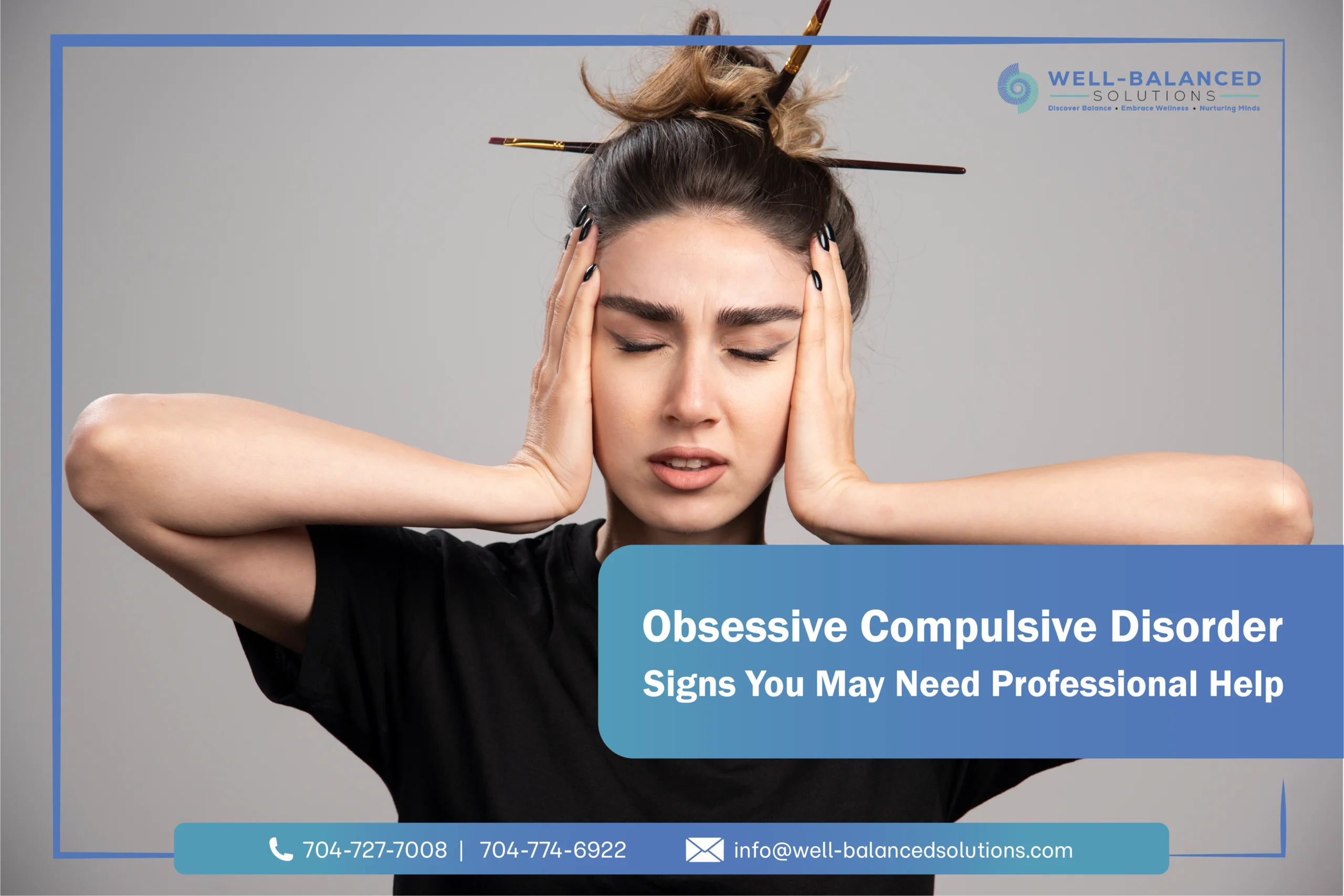
Do racing thoughts and repeated rituals control your daily routine? Many people quietly struggle with obsessive-compulsive disorder for years before seeking help. Small worries can turn into constant checking, counting, or cleaning.
These habits often bring temporary relief, yet they never fully calm the mind. Over time, this cycle drains energy and affects work, relationships, and peace of mind. However, recognizing these patterns early can change everything.
Professional support offers real answers, proven treatment, and lasting relief. You do not have to manage these struggles alone. WBS Mental Wellness helps you spot the signs and start your recovery journey.
What Is Obsessive-Compulsive Disorder?
Obsessive-compulsive disorder is a mental health condition marked by unwanted, intrusive thoughts and repeated actions. These thoughts create anxiety, pushing people toward compulsive behaviors that bring only temporary relief.
Genetics, brain chemistry, and ongoing stress often contribute to this condition. Symptoms usually appear during teenage years or early adulthood. Early diagnosis, however, leads to effective and lasting treatment for most people.
Common Obsessive Compulsive Disorder Symptoms
Recognizing obsessive compulsive disorder symptoms early helps people seek timely support. Many individuals develop strong fears around germs, safety, or mistakes. These fears trigger repeated actions meant to ease anxiety.
Over time, these rituals begin controlling daily routines and relationships. Symptoms vary widely, though certain patterns appear more common. Understanding these clear signs helps people seek proper diagnosis and care.
- Fear of contamination: Constant worry about germs or dirt leads to excessive washing.
- Checking compulsion: Repeatedly checking locks, stoves, or appliances brings temporary calm.
- Symmetry and order: A strong need to arrange items in a precise, exact way.
- Intrusive sexual thoughts: Unwanted, disturbing thoughts appear suddenly and cause deep distress.
- Mental rituals: Silently repeating words or prayers helps reduce inner tension.
Types of Obsessive Compulsive Disorders
Understanding different obsessive-compulsive disorder types helps people recognize their own experience clearly. OCD doesn’t look the same for everyone; some struggle mostly with thoughts, others with visible rituals.
Certain patterns center around relationships, parenting, morality, or harm. Knowing these types helps guide accurate diagnosis and treatment.
Purely Obsessional OCD
This type involves distressing, intrusive thoughts without visible compulsions. Sufferers often perform hidden mental rituals, like silent counting or repeated reassurance-seeking, to manage overwhelming anxiety internally.
Relationship OCD
Relationship OCD causes constant doubt about a partner’s love or compatibility. People repeatedly analyze feelings, seek reassurance, or compare relationships, creating exhausting cycles of uncertainty and emotional distress.
Postpartum OCD
New parents may experience postpartum OCD, involving frightening thoughts about harming their baby. These thoughts feel deeply upsetting, though they rarely reflect actual intent or danger.
Harm OCD
Harm OCD brings intrusive fears of hurting oneself or others unintentionally. These distressing thoughts clash sharply with a person’s true values, causing significant guilt and anxiety.
Scrupulosity
Scrupulosity centers on religious or moral obsessions. Individuals fear offending their beliefs, leading to excessive praying, confessing, or seeking constant reassurance about right and wrong.
What Causes OCD?
Several factors work together to trigger this challenging condition. Genetics play a strong role, especially with a family history present. Brain circuitry differences affect how fear and anxiety signals are processed internally. Environmental stress and biology often combine to shape symptom severity over time.
- Genetics: A close family history increases the likelihood of developing OCD significantly.
- Brain circuitry: Differences in brain activity affect fear processing and anxiety regulation.
- Childhood trauma: Difficult early experiences can shape how the brain responds to stress.
- PANDAS: In children, infections sometimes trigger sudden, unexpected symptom onset.
Signs You May Need Professional Help
Certain signs suggest professional support could truly help. Providers often use DSM-5 criteria to confirm an accurate diagnosis. Unfortunately, diagnostic delay remains common, since symptoms feel embarrassing to share. When obsessions disrupt daily functioning, work, or relationships, help becomes necessary.
Some individuals also experience treatment-resistant symptoms despite trying self-management strategies alone. Recognizing these warning signs early leads to faster relief, better coping tools, and long-term emotional stability.
You Don't Have to Manage This Alone
Recognizing these signs is already a brave first step forward. Compassionate, professional support can help you regain control and peace of mind.
Obsessive Compulsive Disorder Treatment
Effective obsessive compulsive disorder treatment combines proven therapy methods with consistent support. Cognitive behavioral therapy helps patients reshape unhelpful thought patterns gradually over time.
Additionally, exposure and response prevention teaches individuals to face fears without performing rituals. This structured approach builds lasting confidence and reduces anxiety naturally.
Many people notice steady improvement within weeks of consistent, guided therapy sessions. Combining therapy approaches often produces stronger, more sustainable long-term results for most patients.
OCD Medication Management
Careful OCD medication management often supports therapy for stronger, faster results. SSRIs are commonly prescribed to help balance brain chemistry and reduce distress. However, most medications require a treatment timeline of 8 to 12 weeks.
Patience matters here, since sudden changes rarely happen overnight for anyone. Providers regularly monitor progress, adjusting dosage safely based on individual response. This combined approach helps patients feel supported throughout their entire recovery journey.
Why Choose WBS Mental Wellness
Living with OCD feels overwhelming, but the right support changes everything completely. WBS Mental Wellness offers personalized, judgment-free care built around your specific needs.
Our approach combines proven therapy, careful medication management, and genuine compassion. You deserve a treatment plan designed entirely around your recovery.
- Personalized care: Every treatment plan reflects your unique symptoms, history, and personal goals.
- Experienced provider: Your care is guided by Tanita Sweat, MSN, APRN, FNP-C, PMHNP-BC, a Family Nurse Practitioner and Psychiatric Mental Health Nurse Practitioner with years of hands-on experience in OCD and anxiety care.
- Evidence-based treatment: We combine therapy and medication management using proven, research-backed methods.
- Comfortable, supportive environment: You’ll always feel heard, respected, and genuinely understood here.
Start Your Path to Relief
Relief starts with one simple step forward today. Take the first step toward recovery and begin your journey with the right support and guidance.
Conclusion
Obsessive-compulsive disorder can feel isolating, exhausting, and difficult to explain to others. Yet effective, compassionate treatment truly exists and genuinely works for most people. Recognizing symptoms early, understanding their causes, and seeking professional guidance changes everything.
Recovery is not instant, but steady progress builds real, lasting peace of mind. You deserve support, understanding, and a life free from constant worry.
Frequently Asked Questions
OCD isn't typically cured, but proper treatment significantly reduces symptoms. Most people manage daily life effectively with therapy, medication, and consistent long-term support.
OCD involves unwanted, distressing intrusive thoughts. OCPD instead reflects rigid perfectionism and control, without intrusive thoughts causing anxiety or genuine distress.
Yes, OCD can qualify as a disability when symptoms significantly limit daily functioning, work performance, or major life activities requiring accommodation.
Yes, though OCD often starts young, symptoms can also emerge suddenly during adulthood, sometimes triggered by stress or significant life changes.
Yes, OCD often occurs alongside anxiety or depression. Treating all conditions together typically leads to better, more complete recovery.