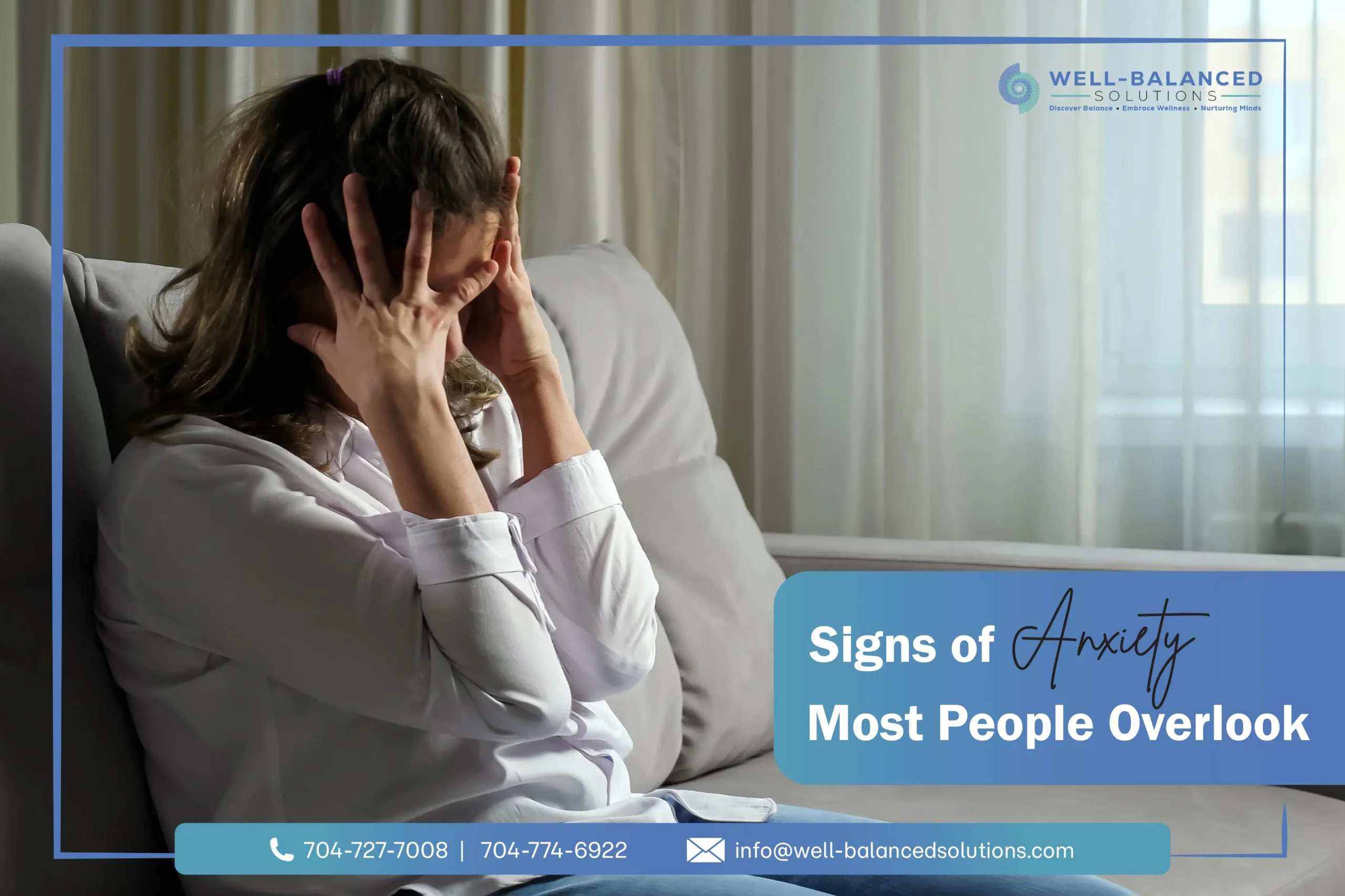
Do you feel nervous without any clear reason? Many people miss early anxiety warning signs daily. Excessive worrying often hides behind normal stress. You might feel restless or on edge all the time. These quiet symptoms can go unnoticed for many months. Recognizing signs of anxiety early makes treatment much easier.
However, anxiety affects your body and mind in hidden ways. Ignoring these warnings only worsens your condition over time. Therefore, professional help identifies what you are truly experiencing. Early support leads to better recovery and lasting peace.
Understanding Anxiety Beyond the Obvious Signs of Anxiety
The definition of anxiety includes persistent worry that disrupts normal daily functioning. Most people recognize panic attacks but miss quieter signs of anxiety. Constant tension in your shoulders might signal underlying distress. Meanwhile, your nervous system response keeps you alert even during rest.
Everyday tasks suddenly feel overwhelming without obvious triggers. Sleep patterns change as your mind races through endless scenarios. Additionally, relationships suffer when unexplained irritability takes over conversations.
Physical symptoms like headaches appear without any medical cause. Recognizing these subtle patterns helps distinguish normal stress from chronic conditions.
Physical Symptoms That Fly Under the Radar
Your body reveals physical signs of anxiety in unexpected ways daily. Many dismiss constant tiredness as simply working too hard recently. Stomach issues appear without any dietary changes or illnesses present.
Meanwhile, your fight-or-flight response activates even during calm moments unnecessarily. These stress and anxiety symptoms often confuse people seeking medical explanations elsewhere. However, anxiety creates real bodily reactions that demand proper attention.
Common physical warnings include:
- Chronic muscle tension, especially in the neck and shoulders
- Unexplained fatigue that rest never seems to fix
- Digestive problems like nausea or stomach cramps
- Sleep disturbances, including insomnia or restless nights
- Headaches and migraines without any clear triggers
Emotional and Mental Signs of Anxiety
Racing thoughts keep your mind busy even during quiet moments. You struggle with difficulty concentrating on simple daily tasks anymore. Irritability surfaces unexpectedly over minor issues that never bothered you before. Meanwhile, a constant sense of dread hangs over your day without justification.
Feeling overwhelmed becomes normal even with manageable responsibilities ahead. Constant self-doubt clouds every decision you try to make confidently. Your inner critic grows louder while positive thoughts fade away. These emotional patterns signal more profound anxiety issues requiring professional evaluation today.
Behavioral Changes People Don’t Connect to Anxiety
Knowing you have anxiety involves watching your behavior patterns. Procrastination suddenly replaces your usual productivity without a logical explanation. Social withdrawal happens gradually as gatherings feel too draining nowadays.
Perfectionism intensifies beyond the healthy standards you once maintained comfortably. Meanwhile, fear without a clear reason drives you to avoid normal situations. Changes in eating habits appear as appetite disappears or overeating begins.
Subtle Daily Habits That Signal Signs of Anxiety
These small repetitive actions reveal internal distress you might ignore. Your body creates coping mechanisms that temporarily relieve growing tension. However, these habits often worsen anxiety over extended periods ahead.
Watch for these warning behaviors:
- Nail biting or skin picking that leaves visible marks
- Excessive checking behaviors, like locks or messages, are repeated
- Unable to relax even during designated downtime
- Constantly seeking reassurance from others about simple decisions
Recognizing Different Forms of Anxiety
Signs of an anxiety attack differ greatly from constant everyday worry. Generalized anxiety spreads across all life areas without specific triggers. Panic symptoms strike suddenly with intense physical signs and symptoms of anxiety.
Meanwhile, ongoing worry builds gradually over the weeks and months ahead. Normal stress becomes an anxiety disorder when it disrupts daily functioning. A professional assessment accurately determines which type affects you most.
Common Questions About Anxiety Symptoms
Understanding your specific symptoms helps identify the right treatment approach. These frequently asked questions address common concerns people share regularly.
- Why Do I Feel Nervous for No Reason?
Your brain sometimes perceives threats that don’t actually exist nearby. Overactive stress responses create constant alertness without real danger present. This happens when your nervous system remains stuck in alert mode.
- What Symptoms Should I Monitor?
Track persistent worry patterns that disrupt your daily routine regularly. Physical changes like a rapid heartbeat or sweating deserve attention, too. Monitor sleep quality and concentration levels throughout each week carefully.
- Is Anxiety the Same as Depression?
These conditions have key differences despite sometimes overlapping in people. Anxiety focuses on future fears, while depression centers on hopelessness. However, both frequently occur together, requiring comprehensive treatment approaches.
Why Choose WBS Mental Wellness for Anxiety Support
WBS Mental Wellness offers comprehensive anxiety treatment tailored to your needs. Our experienced team understands how overlooked signs of anxiety affect daily life deeply. We always combine proven therapeutic methods with genuine, compassionate care.
Furthermore, a professional assessment identifies your specific anxiety patterns accurately from the start. Personalized treatment plans address both obvious and hidden symptoms effectively.
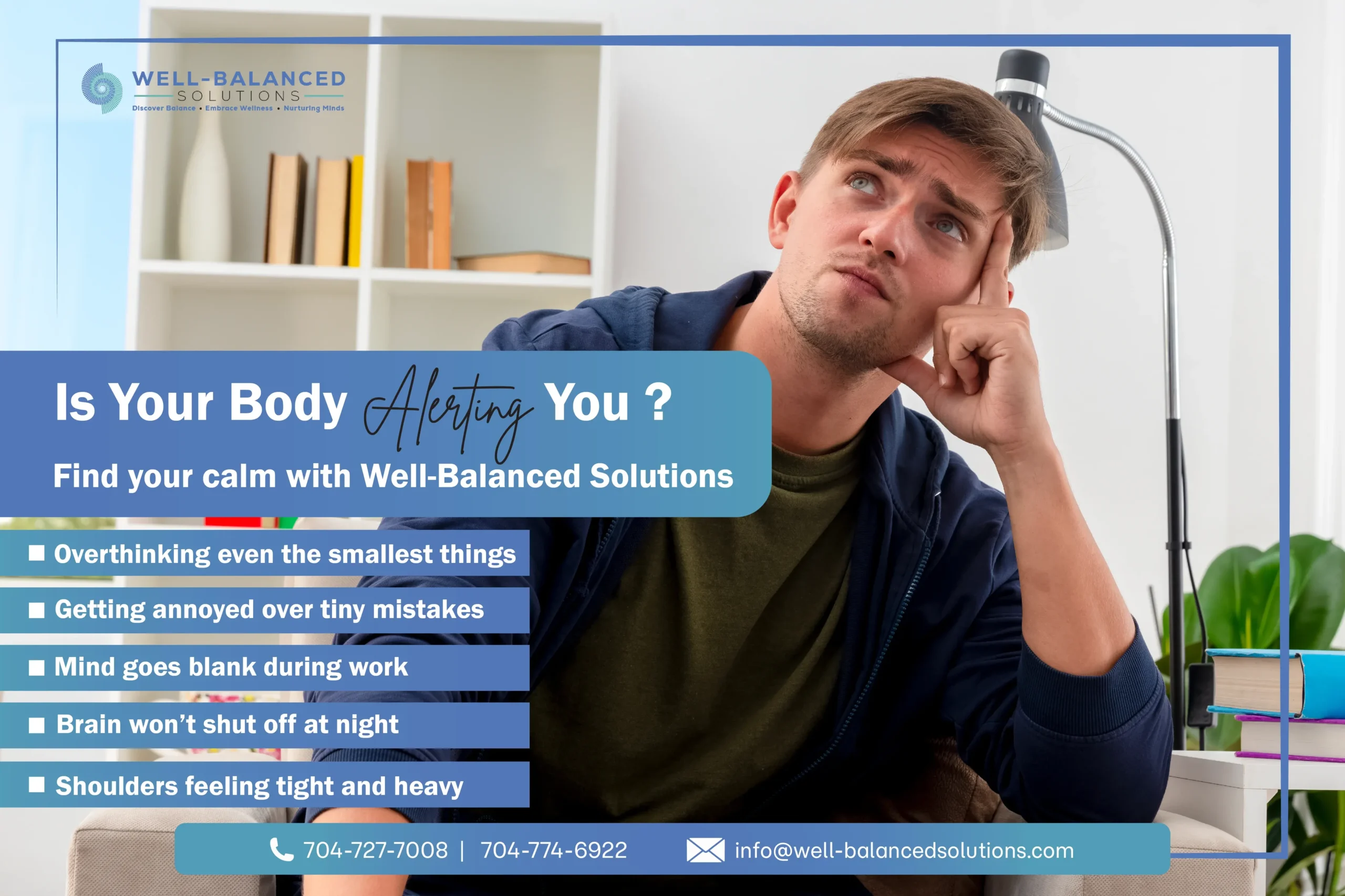
Our Comprehensive Anxiety Treatment Approach
Specialized programs designed for lasting recovery include:
- Specialized anxiety treatment programs targeting all symptom types
- Professional assessment and diagnosis using evidence-based screening tools
- Evidence-based therapeutic approaches, including CBT and mindfulness techniques
- Compassionate, personalized care that respects your unique journey
- Success in treating overlooked symptoms that others might have missed
Don’t let anxiety control your life any longer. Contact WBS Mental Wellness today for a confidential consultation. Our caring professionals are ready to help you reclaim peace and confidence.
FAQs
What are the first signs of anxiety?
Early warnings include excessive worrying, restlessness, difficulty concentrating, unexplained fatigue, muscle tension, sleep problems, and sudden irritability over small things.
Can anxiety go away on its own?
Normal anxiety fades naturally after stress passes. However, chronic anxiety disorders rarely disappear without proper professional treatment and support.
What are the subtle physical signs of anxiety?
Hidden symptoms include chronic headaches, digestive issues, unexplained sweating, jaw clenching, rapid heartbeat, and persistent muscle soreness throughout the body.
How do I know if my anxiety is serious?
Anxiety becomes serious when it disrupts daily activities for months, causes avoidance behaviors, triggers panic attacks, or interferes with work.
What is the difference between normal anxiety and an anxiety disorder?
Normal anxiety is temporary and situation-specific. Anxiety disorders involve persistent excessive worry lasting months that significantly disrupts everyday functioning.
Conclusion
Recognizing signs of anxiety early prevents long-term suffering and distress. These overlooked symptoms deserve your attention and proper professional care. Don’t ignore what your body and mind are telling you.
Therefore, seeking help today creates a healthier tomorrow for you. WBS Mental Wellness stands ready to guide your recovery journey now. Take that crucial first step towards lasting relief immediately.
Reference