
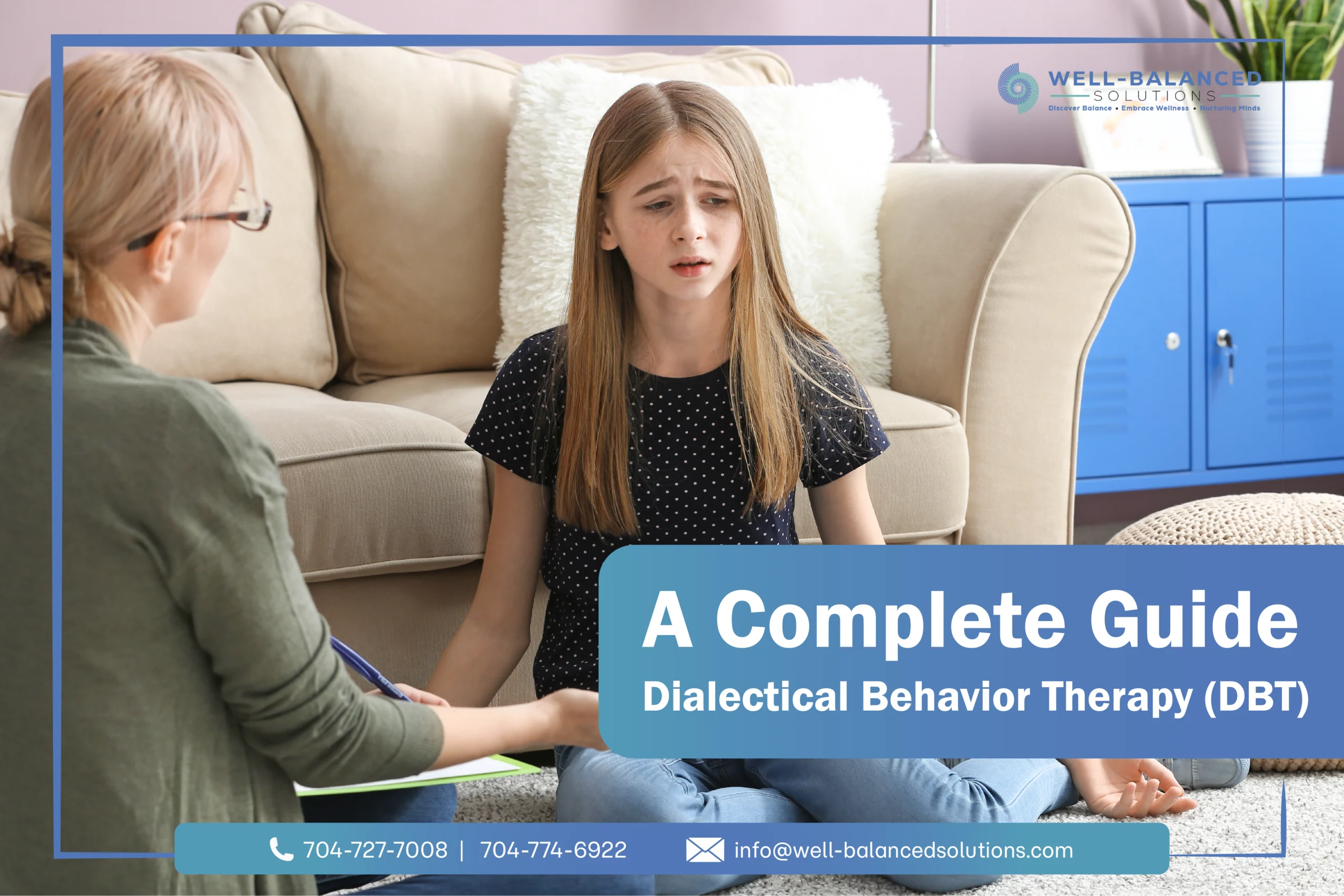
Emotions can feel impossible to control sometimes. You snap at loved ones, replay mistakes for hours, or shut down completely when stress builds up. These patterns often leave you stuck, misunderstood, or drained by your own mind. Dialectical Behavior Therapy offers a proven way forward.
It teaches practical skills for managing intense feelings, handling conflict, and staying grounded during hard moments. Rather than fighting your emotions, you learn to understand and work with them effectively.
At WBS Mental Wellness, our therapists guide this process with genuine care. They combine clinical expertise with real compassion, helping you build calmer, steadier days ahead.
What Is Dialectical Behavior Therapy?
Dialectical behavior therapy is a structured talk therapy designed to help you manage overwhelming feelings. This approach blends acceptance with practical change, giving you tools to cope effectively.
It focuses on real skills, not just on endlessly talking about problems. You learn to handle distress without losing control of your day.
Dialectical Behavior Therapy Components
The components of dialectical behavior therapy work together to build emotional strength and stability. Each part targets a different challenge you face daily. Together, they create a complete system for lasting change.
Core components include:
- Mindfulness
- Distress tolerance
- Emotion regulation
- Interpersonal effectiveness
- Structured skills training
DBT vs CBT: Key Differences
Standard cognitive therapy focuses mainly on changing negative thoughts. This method adds acceptance alongside change, reducing pressure during treatment. Sessions also include group skills training, unlike typical talk therapy.
Key differences:
- Combines acceptance with change strategies
- Includes structured group skills sessions
- Focuses heavily on emotional regulation
- Offers phone coaching between sessions
- Suited for intense, hard-to-manage emotions
Core Dialectical Behavior Therapy Techniques
Dialectical behavior therapy techniques give you practical tools for daily emotional challenges. Each skill targets a specific struggle, from racing thoughts to painful relationships.
Together, these techniques help you respond thoughtfully rather than react on impulse. Learning them takes practice, but the results genuinely last.
Mindfulness
Mindfulness teaches you to notice thoughts without judging them critically. This skill helps you access your wise mind, balancing logic with emotion. You learn to observe feelings calmly, rather than getting swept away. Regular practice builds lasting awareness during stressful moments.
Distress Tolerance
Distress tolerance helps you survive painful moments without making things worse. One core tool is radical acceptance, which means facing reality honestly. This skill stops crises from spiraling further out of control.
Emotion Regulation
Emotion regulation involves recognizing feelings early, before they overwhelm you completely. You learn to reduce emotional intensity through simple, repeatable coping strategies. This skill helps maintain steadier moods through difficult days.
Interpersonal Effectiveness
Interpersonal effectiveness strengthens communication, helping you express needs clearly and confidently. Validation plays a key role, teaching you to acknowledge others’ feelings genuinely. Skills like DEAR MAN, GIVE, and FAST guide healthier conversations.
What Conditions Does DBT Treat?
Many mental health struggles respond well to structured, skills-based therapy approaches. This treatment helps people manage intense emotions across several diagnoses.
From mood disorders to behavioral struggles, the benefits reach far. Understanding these conditions helps you decide if this therapy suits you.
Dialectical Behavior Therapy for Anxiety
Dialectical behavior therapy for anxiety helps calm racing thoughts and physical tension. It also supports several other conditions through targeted, practical skills training.
Conditions this therapy commonly treats:
- Borderline personality disorder
- Post-traumatic stress disorder
- Eating disorders and binge eating
- Substance use disorder
- Depression,ADHD, self-harm, and anger management
How Does DBT Therapy Work? (Treatment Process)
Understanding the treatment process helps you know exactly what to expect. This structured therapy combines several elements that work together consistently. Each stage builds on the last, creating steady, noticeable progress.
Pre-Assessment
Your therapist evaluates your needs first, checking whether this approach genuinely suits you. This step sets clear, realistic goals before treatment begins properly.
Individual Therapy Sessions
Weekly one-to-one sessions address personal struggles and track patterns through honest, guided conversation. Your therapist helps you apply new skills directly to real situations.
Group Skills Training
Group sessions teach core skills alongside others facing similar challenges. This shared setting builds confidence, connection, and practical, repeatable coping techniques.
Phone/Text Crisis Coaching
Between sessions, you can reach your therapist during genuine crisis moments. This support helps you apply skills exactly when emotions feel unmanageable.
The Diary Card
This daily tracking tool consistently records emotions, urges, and behaviors. Reviewing patterns together helps guide each session’s focus and direction.
Does Science back DBT? (Research & Evidence)
Research strongly supports this therapy’s effectiveness across various mental health conditions. Multiple controlled studies show real reductions in self-harm, hospital visits, and emotional distress. Clinical trials continue to prove these skills create genuine, measurable improvement over time.
The Biosocial Theory Explained
This theory explains why some people struggle more with intense emotions.
Key ideas behind the biosocial theory:
- Emotional sensitivity is partly biological, not a personal flaw
- Invalidating environments worsen emotional struggles over time
- Sensitivity plus environment together shape emotional patterns
- Understanding this reduces shame around emotional reactions
- Recovery becomes possible with the right, supportive environment
Struggling to Manage Overwhelming Emotions?
You don’t have to face this alone anymore. Our licensed therapists at WBS Mental Wellness build personalized, evidence-based plans that genuinely work.
How Much Does DBT Therapy Cost? Does Insurance cover it?
Costs vary depending on location, therapist experience, and the session type chosen. Individual sessions typically cost more than group skills training. Many insurance providers now cover this treatment, though coverage differs widely.
Checking with your provider beforehand saves confusion and unexpected expenses later. Some clinics also offer sliding-scale fees for those needing financial flexibility. Investing in proper support often prevents greater struggles down the line.
How to Find a Qualified DBT Therapist
Finding the right therapist requires carefully checking specific credentials and genuine experience. Look for licensed professionals trained specifically in this structured approach. Ask whether they offer comprehensive treatment, including group and individual sessions.
Enquire about their consultation team, since this ensures quality support. Trust your instincts during initial conversations, since comfort matters significantly. A good fit makes the entire recovery process far smoother.
Benefits and Risks of DBT
Benefits include fewer self-harm incidents, reduced hospital visits, and steadier moods overall. Relationships often improve as communication skills strengthen through consistent practice. However, this therapy demands genuine commitment, including regular homework and group attendance.
Progress sometimes feels slow, which can discourage people expecting quick results. Despite these challenges, most participants report meaningful, lasting improvement over time. Weighing both sides helps set realistic expectations beforehand.
When to Seek Immediate Help
Sometimes emotions become genuinely overwhelming, requiring immediate professional intervention rather than waiting. If you feel unsafe or experience suicidal thoughts, contact emergency services immediately.
The Suicide and Crisis Lifeline remains available around the clock at 988. Reaching out isn’t a weakness; it’s a vital step toward safety. Support exists specifically for moments when things feel unbearable. Please never hesitate to ask for help urgently.
Why Choose WBS Mental Wellness for DBT Therapy
Choosing the right support matters when you’re ready to change your life. Our team includes licensed therapists trained specifically in structured, evidence-based emotional skills. We combine genuine clinical expertise with compassionate, personalized care throughout treatment.
Every plan carefully reflects your unique struggles, goals, and personal circumstances. Group and individual sessions work together to give you complete, well-rounded support. Choosing us means choosing proven methods and real, lasting results.
What sets our approach apart:
- Licensed, experienced therapists specializing in structured emotional skills training
- Personalized treatment plans built around your specific needs
- Both individual and group sessions are available for complete support
- Compassionate, judgment-free environment throughout your entire journey
- Proven, evidence-based methods with consistent, measurable results
Ready to Start Your Recovery?
You deserve support that genuinely understands what you’re going through. Our licensed specialists at WBS Mental Wellness create a personalized plan tailored to your needs.
Conclusion
Managing intense emotions doesn’t have to feel like an impossible daily battle. Dialectical behavior therapy offers proven, practical tools for lasting emotional stability. Through structured sessions, you build skills that genuinely improve daily functioning.
Recovery takes time, yet meaningful progress remains entirely possible with proper support. Choosing the right therapist makes this journey considerably easier and more sustainable. Taking that first step today could change everything moving forward.
Frequently Asked Questions
No, it now treats anxiety, depression,PTSD, eating disorders, and substance use too.
Full DBT combines individual therapy, group sessions, and coaching, unlike skills-only, standalone programs.
Sessions typically run between 45 minutes and one hour and are held weekly with your therapist.
Yes, many people practice DBT skills simply for better daily emotional coping, without any diagnosis.
Coverage varies by provider, though many insurers now include this treatment under mental health benefits.