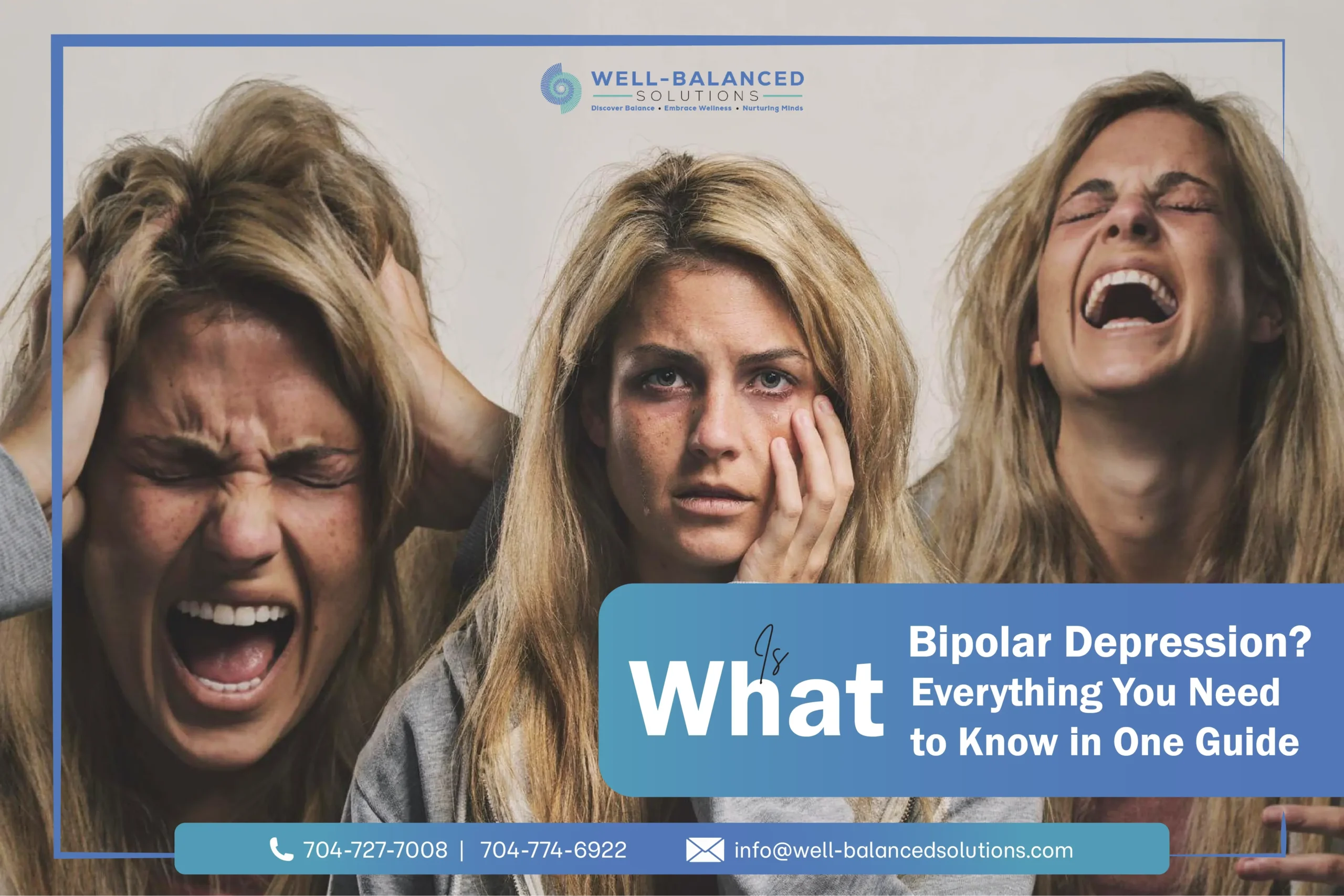
Millions of people start their day feeling deeply sad for no clear reason. Some days bring heavy silence. Other days bring restless thoughts you cannot turn off. This behavior can be confusing and exhausting, leaving individuals feeling invalidated by others. Bipolar depression is a different thing from common sadness; it’s a severe mood disorder; it takes over your whole life.
Those are just a few, and many struggle for years without knowing what the true problem is. Having better awareness of this arthritis is, thankfully, the very first step toward real, lasting change. The right knowledge truly changes how people cope and recover.
What Is Bipolar Depression?
Bipolar depression is a serious mental health disorder that deeply impacts your mood. People experience emotional highs and lows that feel completely out of control. Unlike ordinary sadness, this psychiatric disorder brings dark depressive episodes.
It can also shift into intense manic episodes. Understanding bipolar disorder early helps people find the right support faster.
What Causes Bipolar Depression?
Several factors work together to cause this condition. Researchers have studied the neurobiology and pathophysiology behind mood regulation systems for many years. No single cause exists; instead, multiple risk factors come together.
- Genetic factors: There is strong family involvement. Genetics contributes to this problem significantly.
- Brain chemistry imbalance: Certain chemicals in the brain stop working as they should.
- Environmental triggers: Traumatic events or major life changes can trigger episodes.
- Stress factors: Ongoing pressure at work or at home weakens emotional balance.
- Weak mood regulation: The brain struggles to manage emotional highs and lows naturally.
Bipolar Depression Symptoms: What to Look For
Recognizing the early warning symptoms of bipolar depression can make a significant difference for people who suffer in silence. Depressive episodes bring deep sadness, hopelessness, and a complete loss of interest in daily life.
Many people also notice fatigue, low energy, sleep disturbances, and changes in appetite without a clear reason. Sometimes, suicidal thoughts and serious behavioral changes appear without warning. Recognizing these signs early opens the door to proper care.
Bipolar Depression Symptoms in Females
Women often experience bipolar depression symptoms differently from men. Hormonal changes strongly influence emotional imbalance and psychological patterns in females. Common signs include:
- Intense mood shifts around monthly cycles or after childbirth
- Deeper depressive episodes that last longer than usual
- Higher anxiety levels, alongside low energy and sadness
- Sleep problems that feel worse during hormonal changes
- Emotional withdrawal from family, friends, and daily responsibilities
- Appetite changes that lead to sudden weight gain or loss
Signs of Bipolar Depression vs. Regular Depression
Many people confuse bipolar depression with an ordinary low mood. The signs of bipolar depression go far deeper than simple sadness. Regular depression stays flat and consistent. Bipolar depression shifts sometimes dramatically between dark lows and intense highs.
- Manic episodes bring sudden bursts of energy, racing thoughts, and risky decisions.
- Hypomania feels like unusual happiness or irritability lasting several days.
- Mood swings shift rapidly without any obvious life trigger or reason
- Mood instability creates unpredictable emotional patterns that disrupt normal daily life
These differences matter deeply. Identifying the correct condition leads to the right treatment path.
Rapid Cycling and Episode Triggers
Some people with bipolar depression experience four or more mood episodes within a single year. This pattern is called rapid cycling, and it makes daily life particularly challenging. Certain triggers, such as poor sleep, high stress, or alcohol, speed up these shifts.
Recognizing episode triggers early helps with relapse prevention and long-term emotional stability. Cognitive dysfunction often appears during rapid cycles, affecting memory and clear thinking. Quality of life improves significantly when triggers are identified and managed well.
How Is Bipolar Depression Diagnosed?
Diagnosing bipolar depression requires a thorough mental health evaluation by a qualified professional. Doctors use psychiatric assessment tools to study symptom patterns carefully over time. Mood tracking journals also help clinicians understand emotional shifts between appointments.
Through detailed clinical diagnosis, specialists identify whether the condition fits bipolar disorder criteria. Getting an accurate assessment early truly makes a lasting difference.
Bipolar Depression Treatment Options
Treating bipolar depression well requires a combination of approaches working together. Psychotherapy helps people understand their thoughts and build stronger emotional habits.
Lifestyle changes like better sleep and reduced stress significantly support long-term management. Growing mental health awareness also encourages more people to seek therapy options before the condition worsens.
Bipolar Depression Medication: What Doctors Prescribe
Doctors often combine different medications to stabilize mood effectively and safely.
- Mood stabilizers: Lithium remains one of the most trusted long-term options
- Antidepressants: used carefully alongside mood stabilizers to prevent switches
- Antipsychotics: help control severe manic or mixed episodes quickly
- Anti-anxiety medication: reduces stress and supports better sleep patterns
How Do You Help Someone With Bipolar Depression?
Supporting someone with bipolar depression starts with patience and genuine understanding. Strong support systems make a real difference in their daily functioning and recovery.
Encourage open conversations, help with coping strategies, and never dismiss their feelings. Emotional regulation improves when loved ones offer consistent, calm mental health support every day.
Why Choose WBS Mental Wellness?
Finding the right mental health support changes everything for people living with mood disorders. WBS Mental Wellness brings together experienced specialists who truly understand complex emotional conditions. Every person receives a personalized care plan built around their unique needs and goals.
Compassionate support, proven methods, and genuine results set WBS Mental Wellness apart from the rest. Take the first step today: book your consultation and start your journey towards lasting recovery.
Conclusion
Depression affects millions of people, but it does not have to control your life. Understanding your condition helps you see your triggers. Getting the right support can make a real recovery possible.
Every step forward counts, no matter how small it feels. Reach out to WBS Mental Wellness today and take back control of your life.
FAQs
Is bipolar disorder the same as being moody?
No, they are very different things. Normal moodiness passes quickly. Bipolar disorder involves intense episodes lasting weeks that seriously disrupt sleep, work, and daily relationships.
Can a person with bipolar disorder live a normal life?
Absolutely yes. Many people manage this condition successfully with the right treatment plan. Consistent medication, therapy, and healthy habits allow people to work, love, and thrive fully.
At what age does bipolar disorder usually start?
Most people notice their first symptoms during their late teens or early twenties. However, it can appear in children and older adults too, often going unrecognized for years.
Does bipolar disorder get worse without treatment?
Yes, it typically does. Episodes become more frequent and severe over time without proper care. Early treatment protects the brain and significantly improves long-term outcomes for most people.
Can diet and lifestyle affect bipolar depression?
Yes, both play a meaningful role. Regular sleep, balanced nutrition, and reduced alcohol significantly stabilize mood. Lifestyle changes alone cannot replace medication, but they strongly support overall recovery.
Reference