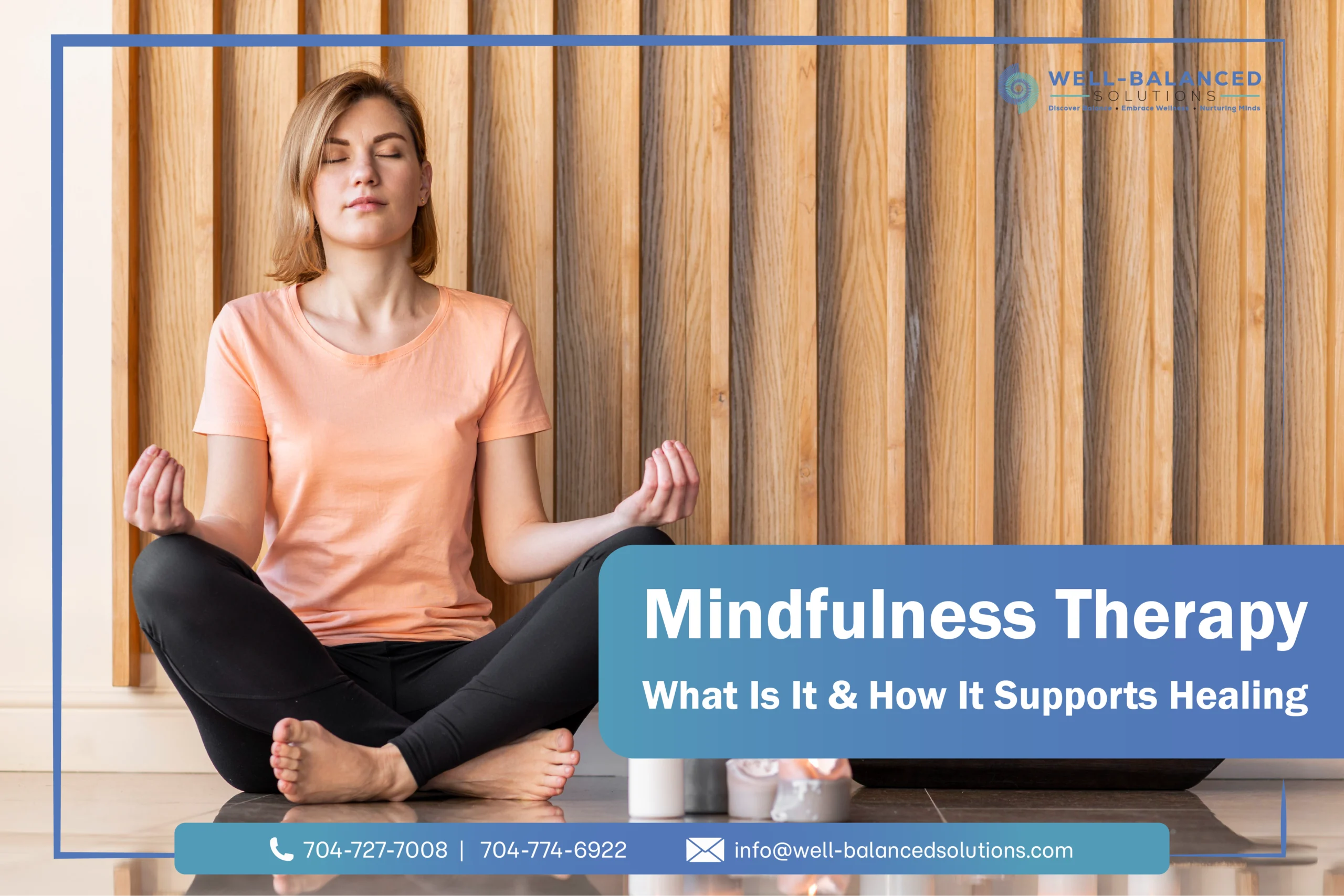
Your mind rarely slows down, even when your body needs rest. Racing thoughts and quiet overwhelm can follow you through most of the day. Many people carry this weight alone, unsure where real relief begins. Mindfulness therapy offers a proven path toward lasting calm and clarity.
It blends focused awareness with real psychological techniques that actually work. You learn to notice difficult thoughts without letting them take control. Licensed therapists guide this process, not apps or generic quick fixes. If stress feels constant, this WBS Mental Wellness guide explains what genuinely helps you heal.
What Is Mindfulness Therapy?
Mindfulness therapy is a form of psychotherapy that blends present-moment awareness with clinical treatment. Trained therapists guide you to notice thoughts and feelings without judgment. Unlike simple apps, this approach targets root causes, not just symptoms. That distinction makes lasting change possible for most people.
Mindfulness Techniques vs. Mindfulness Therapy
People often confuse these terms, but they are not interchangeable. This method differs from yoga and casual self-help practices in real ways. Those tools support relaxation training and general health education, but lack clinical guidance.
This treatment is not just a passing wellness trend, either. Licensed therapists apply structured, evidence-based methods to treat specific concerns. Both remain valuable, but they solve entirely different problems for people. Choosing the right option depends on your specific mental health needs.
Quick comparison:
- Meditation apps: self-guided, offering general stress relief
- Yoga: physical movement paired with mindful breathing
- This therapy, guided by licensed professionals, targets root causes directly
Types of Mindfulness-Based Therapy
Several proven approaches fall under this broader category of treatment today. Each method targets specific struggles, from chronic stress to lasting emotional pain. Understanding these differences helps you choose the right therapeutic path forward. Options range from structured programs to therapy blended with other treatments.
What Is Mindfulness-Based Cognitive Therapy?
MBCT combines cognitive strategies with awareness practices to prevent depression relapse. Segal, Williams, and Teasdale developed this structured, research-backed clinical approach.
- MBSR: reduces general stress and improves everyday emotional balance
- MBCT: prevents depression relapse through structured cognitive-awareness training
- MBRP: supports addiction recovery by managing cravings and triggers
- MiCBT: integrates awareness practices directly into standard cognitive therapy
- DBT and ACT: use mindfulness alongside emotion regulation and acceptance skills
The Science Behind Mindfulness Therapy
Neuroscience now supports what practitioners have long observed clinically. Regular practice increases gray matter density linked to memory and emotional regulation. It also calms the default mode network, tied to mind-wandering and rumination.
Stress hormone levels drop noticeably with consistent practice sessions. Attention networks grow stronger, sharpening focus over time. Meta-analysis studies confirm real changes in brain structure and function. Immune system response also improves with regular practice.
Mindfulness Therapy Techniques You Can Try
Simple practices help most people build steady, lasting calm. Body scan meditation teaches you to notice physical tension. The 3-minute breathing space works well during stressful moments. Guided imagery uses calming mental pictures to ease anxiety.
Loving-kindness meditation builds compassion toward yourself and others. Belly breathing slows your heart rate almost instantly. Thought observation helps you watch feelings without judgment. Journaling afterward deepens insight gained during each session.
Mindfulness Therapy for Anxiety and Other Conditions
Consistent mindfulness therapy for anxiety relief often follows daily practice sessions. It also reduces chronic worry, depression, and depressive relapse risk. Many people use it for PTSD, stress, and constant burnout. Physical conditions, including chronic pain and insomnia, respond well to.
It supports recovery from substance misuse and disordered eating patterns. OCD and anger management concerns also show noticeable improvement. Those with trauma should work closely with an experienced therapist.
Ready to Start Feeling Better?
If anxiety, stress, or constant overwhelm feel familiar, help exists. Licensed therapists at WBS Mental Wellness use proven mindfulness therapy methods. You deserve real support, not just quick fixes or apps.
Individual Sessions vs. Mindful Therapy Group Settings
Licensed psychologists, therapists, and psychiatrists all provide this treatment. Clinical social workers and licensed counselors also lead sessions. You can attend individually or within a supportive group. Group formats often cost less while still delivering strong results.
Many providers offer virtual sessions through secure video conferencing. Some clinics include phone coaching between scheduled appointments. Retreats and web-based programs add extra flexible options. Pick whichever format matches your comfort and daily routine.
What to Expect in a Mindfulness Therapy Session
Sessions usually begin with a guided practice focused on present-moment awareness. Your therapist then discusses what came up during that specific exercise. Expect open, honest conversation about your thoughts, patterns, or daily struggles. Many sessions also include home practice assignments between scheduled appointments.
Session structure varies slightly depending on the choice of individual or group format. Most programs run for several weeks before showing truly lasting results. Consistency ultimately matters more than any single session.
Is Mindfulness Therapy Right for You?
Ask yourself a few honest questions before starting this process. Do overwhelming emotions often feel impossible to manage alone? Are you open to body-based practices like breathing and movement? Do racing thoughts interrupt sleep, focus, or daily conversations?
Anyone struggling with these patterns can benefit from guidance. This approach suits people wanting long-term skills, not instant fixes. A licensed professional can confirm if it fits your needs.
How to Find a Qualified Mindfulness Therapist
Start by confirming the provider holds an active clinical license. Ask about specific training in MBCT, MBSR, or related programs. Look for APA or NBCC-approved certification whenever possible. Confirm whether sessions are held in person, online, or by phone.
Discuss your specific concerns before committing to any program. A good therapist welcomes questions about their background and methods. Trust your comfort level during that first conversation.
Why Choose WBS Mental Wellness
Choosing the right support matters as much as choosing the approach. Our licensed therapists bring real clinical training, not generic wellness advice. Every plan stays personalized around your specific struggles and daily life.
Flexible individual and group formats fit different comfort levels and schedules. We combine proven techniques with genuine compassion throughout your entire journey. You deserve steady guidance from professionals who truly understand mental health.
- Licensed, experienced therapists trained in MBCT, MBSR, and related methods
- Personalized treatment plans built around your specific goals
- Flexible session formats, including individual, group, and virtual options
- Evidence-based approach backed by ongoing clinical research
- Compassionate, judgment-free support throughout your entire recovery journey
Ready to Feel Like Yourself Again?
Healing starts with a single honest conversation about your needs. Our team at WBS Mental Wellness genuinely wants to help you heal.
Conclusion
Real change comes from consistent mindfulness therapy sessions, not shortcuts. It builds self-confidence, self-control, and overall quality of life. Relationships often improve as emotional regulation becomes more natural.
Growth takes guidance, patience, and steady professional support over time. If daily stress feels unmanageable, this approach offers genuine hope. The right therapist helps you build skills that truly last.
Frequently Asked Questions
Yes, clinical trials and research consistently support its effectiveness for anxiety and depression.
Not always, since many people combine this therapy with medication under a doctor's guidance.
Many insurance plans cover this treatment when a licensed therapist provides it under a diagnosis.
Yes, many programs adapt techniques for younger clients, often alongside parental involvement.
No, it uses a secular, clinical approach, though it draws loosely from older contemplative traditions.